Concrete Repair & Restoration
Extend the life of your existing concrete with professional repairs that fix problems correctly.
Repair or Replace: Making the Right Choice
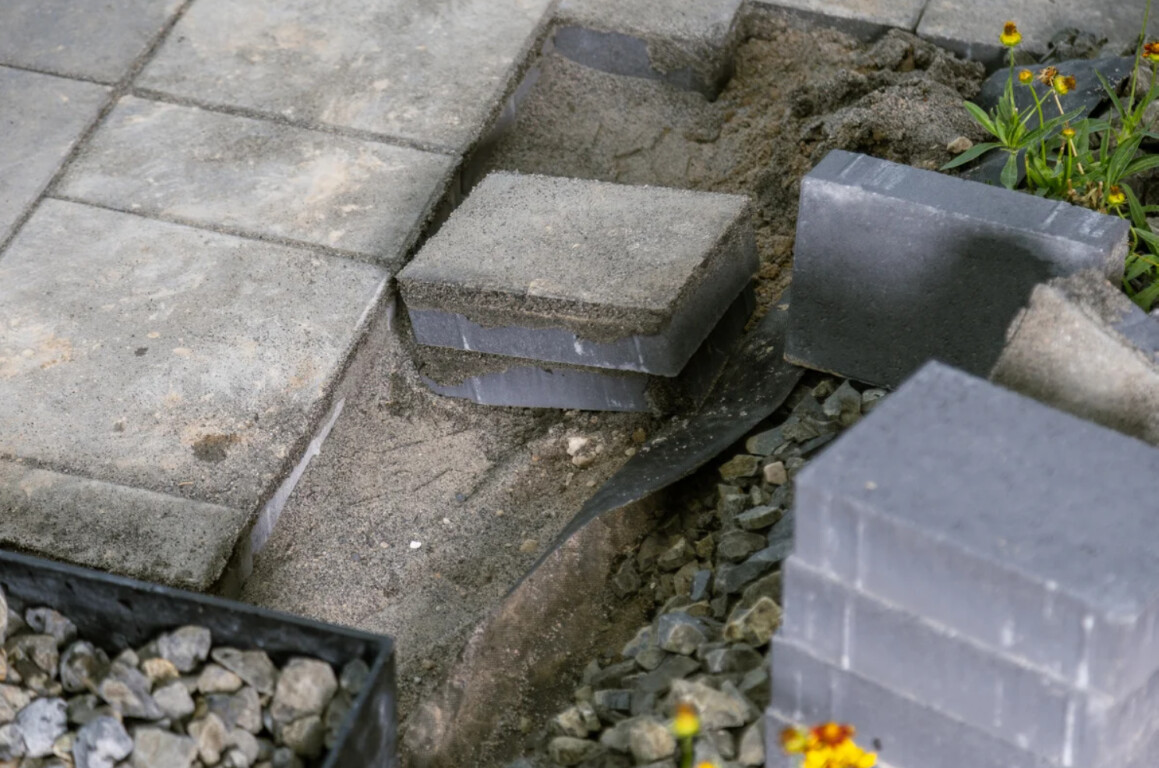
Not every damaged concrete surface needs complete replacement. Quality repairs can extend the life of your existing concrete by 10-20 years at a fraction of replacement cost. The key is identifying which problems can be fixed and which ones indicate the concrete has reached the end of its useful life.
Good candidates for repair include surface damage like scaling or spalling, narrow cracks, small areas of deterioration, and settled sections that can be lifted. Poor candidates include concrete with extensive cracking throughout, multiple large settled areas, severe rebar corrosion, or structural failures. We evaluate your concrete honestly and recommend repair only when it makes financial sense.
Concrete Problems We Fix
We handle a full range of concrete repair and restoration work:
- •Crack repair and sealing: Stop water infiltration and prevent crack expansion with proper filling materials
- •Surface restoration: Repair scaling, spalling, and surface deterioration from weather damage
- •Slab leveling: Lift and level settled concrete sections using modern foam injection or mudjacking
- •Joint repair: Restore or replace damaged control joints and expansion joints
- •Partial replacement: Remove and replace severely damaged sections while saving good concrete
- •Waterproofing and sealing: Protect repaired concrete from future water damage
Each repair type requires specific materials and techniques. We use commercial-grade repair products designed to bond with existing concrete and withstand Newton's weather. Cheap patch materials fail quickly, so we invest in products that actually work.
How Professional Concrete Repair Works
Successful concrete repair starts with proper surface preparation. We can't just slap patch material over damaged concrete and expect it to stick. The repair area needs thorough cleaning, often including pressure washing, grinding, or sandblasting to remove loose material, dirt, and contaminants.
For crack repairs, we evaluate what caused the crack. If it's still moving, we need to address the underlying problem first. Static cracks get routed and filled with flexible sealants that move with minor concrete movement. Structural cracks might need epoxy injection to restore strength. Similar diagnostic thinking applies to all our concrete services.
For surface repairs, we use repair mortars matched to your existing concrete. These products bond to old concrete, resist weather, and can be finished to blend with surrounding surfaces. Large repairs might need reinforcement added. After repair, proper curing ensures the patch reaches full strength and durability.
Preventing Future Damage
The best repair is the one you don't need. Regular maintenance extends concrete life and catches small problems before they become expensive repairs. Seal your concrete driveways and patios every 2-3 years to protect against water infiltration and freeze-thaw damage.
Address drainage issues promptly. Standing water accelerates concrete deterioration. Make sure downspouts direct water away from concrete surfaces. In winter, use concrete-safe de-icing products instead of rock salt, which damages concrete surfaces. Clean spills and stains quickly, especially oils and chemicals that can penetrate and weaken concrete. These simple maintenance steps prevent most common concrete problems.
Have Damaged Concrete?
We'll assess your concrete, explain your options, and recommend the most cost-effective solution.
Call (617) 862-3423